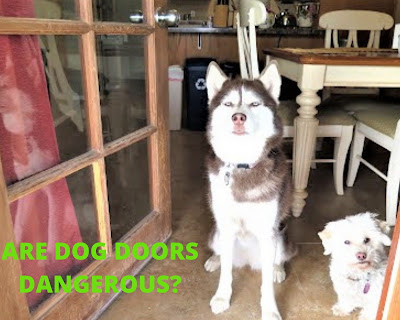
No matter what breed of dog you have, what size they are, or what type of fur they have it's important to be mindful of the cold and how cold temperatures, snow and ice can effect your dog. Keep your dog safe from Old Man Winter with these Dog Safety Tips for Winter.
WINTER SAFETY TIPS FOR DOGS
You may think I don't worry about Icy being in cold weather since she's a Siberian Husky, but I do. Not nearly as much as my little thin haired dog Phoebe of course, but I'm always mindful of dog safety in the Winter for my dogs.PIN THIS!
One of things I worry about most with my dogs is rock salt, or ice melts on sidewalks and in the road. Ice melting products can contain chemicals that are toxic to your pet. Pets can be harmed either by eating it or getting it on their paws or body. If it gets on their paws it can irritate, or "burn" your pet's paws and skin. If they lick it off paws or skin they'll ingest the harmful chemicals.
Ice melting products are harmful to dogs because they contain:
 |
| I'm mindful of Dog Safety in Winter. My dogs love snow! |
ICE MELTS
One of things I worry about most with my dogs is rock salt, or ice melts on sidewalks and in the road. Ice melting products can contain chemicals that are toxic to your pet. Pets can be harmed either by eating it or getting it on their paws or body. If it gets on their paws it can irritate, or "burn" your pet's paws and skin. If they lick it off paws or skin they'll ingest the harmful chemicals.
Ice melting products are harmful to dogs because they contain:
🕱 Sodium Chloride (a.k.a. Rock Salt)
🕱 Potassium Chloride
🕱 Magnesium Chrloride
🕱 Calcium Salts (calcium carbonate, calcium magnesium acetate, and calcium chloride)
These Salt and Chloride substances can be found in the majority of ice melting products. If your dog is exposed to these it can lead to skin irritation ("burns"), vomiting, diarrhea or worse.
There are Pet Friendly ice melting products designed not to irritate pet paws or skin, however they are all a bit different and don't appear to be very well regulated. Most pet safe ice melt products are both salt free and chloride free. Several are Urea (a.k.a. carbamide) based. Although safer for pets, urea based ice melting products can still be harmful if large quantities are ingested. If your dog finds the bag in the garage, sticks his nose in it and ends up eating it he is likely to get very sick.
I wish "pet safe" ice melting products were better regulated and had more standardization in terms of ingredients. When you shop for dog safe ice melts read the ingredients list carefully. If you're not sure whether it's safe for dogs, call the manufacturer or go online and find out. Either way, keep it out of reach to avoid your dog getting into it.
There are Pet Friendly ice melting products designed not to irritate pet paws or skin, however they are all a bit different and don't appear to be very well regulated. Most pet safe ice melt products are both salt free and chloride free. Several are Urea (a.k.a. carbamide) based. Although safer for pets, urea based ice melting products can still be harmful if large quantities are ingested. If your dog finds the bag in the garage, sticks his nose in it and ends up eating it he is likely to get very sick.
I wish "pet safe" ice melting products were better regulated and had more standardization in terms of ingredients. When you shop for dog safe ice melts read the ingredients list carefully. If you're not sure whether it's safe for dogs, call the manufacturer or go online and find out. Either way, keep it out of reach to avoid your dog getting into it.
 |
| We got this dog towel from Petsafe at a pet bloggers conference. I use it to wipe the dogs' paws each time they go out. |
Although ice melt that is safe for dogs and other pets is widely available, not everyone uses it. Even if it makes your walkway safe for dogs, other sidewalks, driveways, parks and public places may not use a pet safe ice melt. It tends to be more expensive than regular ice melts. I dampen a dog towel to wipe my dog's paws off when we return from walks in snowy or icy weather. This prevents them from possibly licking ice melt off their paws, ingesting the chemicals.
Learn more about why ice melting products are hazardous to pets in this article I found on the Pet Poison Hotline's web site.
You can use dog booties or paw wax to help protect your dog's feet from dangerous chemicals on the pavement as well. This also helps prevent ice balls from forming on their feet, and booties can offer some protection against sharp objects under the snow that may not be visible. Be sure to wipe the paw wax off once back inside so it doesn't end up being a dirt collector all around the house!
Needless to say, anti-freeze is extremely dangerous to dogs. Just a few licks can kill a dog or cat. Even if you don't have anti-freeze in the house or garage, a neighbor might. Keep anti-freeze out of site & well out of reach.
You can use dog booties or paw wax to help protect your dog's feet from dangerous chemicals on the pavement as well. This also helps prevent ice balls from forming on their feet, and booties can offer some protection against sharp objects under the snow that may not be visible. Be sure to wipe the paw wax off once back inside so it doesn't end up being a dirt collector all around the house!
ANTI-FREEZE
Don't let your dog run loose in the neighborhood, he might get into someone's garage or shed where anti-freeze is stored. Be mindful of possible anti-freeze spills near roads or driveways as you walk your dog as well. This should go without saying, really, but no Dog Winter Safety Tips article would be complete without mentioning the dangers of anti-freeze.
Ethylene glycol is the main ingredient in most antifreeze products, and it's poisonous. It smells good and tastes sweet, making it appealing to dogs but it's deadly. Some manufacturers have added a bitter taste to their anti-freeze products, but you must still be on guard and keep your dog away from it.
According to the Humane Society of the United States, it only takes a few tablespoons of highly toxic anti-freeze to put an animal's life in peril. They recommend switching to an anti-freeze that contains propylene glycol rather than ethylene glycol, but although it's less poisonous it is still toxic. Even if you make that switch, a neighbor or neighboring commercial facility might still be using anti-freeze with ethylene glycol.
Ethylene glycol is the main ingredient in most antifreeze products, and it's poisonous. It smells good and tastes sweet, making it appealing to dogs but it's deadly. Some manufacturers have added a bitter taste to their anti-freeze products, but you must still be on guard and keep your dog away from it.
According to the Humane Society of the United States, it only takes a few tablespoons of highly toxic anti-freeze to put an animal's life in peril. They recommend switching to an anti-freeze that contains propylene glycol rather than ethylene glycol, but although it's less poisonous it is still toxic. Even if you make that switch, a neighbor or neighboring commercial facility might still be using anti-freeze with ethylene glycol.
Paint may also contain ethylene glycol, so if you store paint outside in a shed or garage keep the containers well sealed and out of reach. If you suspect your dog may have ingested anti-freeze or paint call your Veterinarian immediately. Symptoms of anti-freeze poisoning include lethargy, disorientation, loss of coordination and vomiting.
Some dogs can tolerate the cold better than others. Icy, my Husky can stay outdoors in a blizzard and be happy as a clam. We have to make her come inside! Phoebe, on the other hand often had to be coaxed just to go out in the yard to potty if it's snowing.
Shorter hair dogs such as Boxers, Pugs, and French Bulldogs are more prone to freezing than dogs with thicker, heavier fur. They can't keep the heat in their bodies the way double coated dogs like Huskies, Collies, or German Shepherds can.
PREVENT HYPOTHERMIA IN DOGS
Some dogs can tolerate the cold better than others. Icy, my Husky can stay outdoors in a blizzard and be happy as a clam. We have to make her come inside! Phoebe, on the other hand often had to be coaxed just to go out in the yard to potty if it's snowing.
Shorter hair dogs such as Boxers, Pugs, and French Bulldogs are more prone to freezing than dogs with thicker, heavier fur. They can't keep the heat in their bodies the way double coated dogs like Huskies, Collies, or German Shepherds can.
Hypothermia is a real danger to dogs in the cold. Dogs and cats freeze to death every Winter in cold climates. Leaving a dog outside in freezing temperatures for a long period of time can be disastrous. Of course, leaving a dog in a parked car in freezing temperatures can be just as dangerous. It's like leaving your dog in the freezer!
Hypothermia has varying symptoms depending on the severity of it. Strong shivering, rapid heart rate and breathing, muscle stiffness, body temperature below 98 degrees F, and loss of mental alertness are some of the symptoms. If you think your dog is suffering from hypothermia, get him wrapped in warm blankets (dry him off as best you can first if he's wet), give him some warm liquid to drink, or wrap a hot water bottle in something like a towel and place it against the dog's abdomen. Contact a Veterinarian as soon as possible.
If you're like me you love taking your dog to the beach or to parks that have a lake or pond your dog can romp in. In the dead of Winter however, lakes and ponds can freeze, and the ocean is downright frigid. Be sure to keep your dog on a leash and steer him away from frigid water and any bodies of water that have iced over.
Hypothermia has varying symptoms depending on the severity of it. Strong shivering, rapid heart rate and breathing, muscle stiffness, body temperature below 98 degrees F, and loss of mental alertness are some of the symptoms. If you think your dog is suffering from hypothermia, get him wrapped in warm blankets (dry him off as best you can first if he's wet), give him some warm liquid to drink, or wrap a hot water bottle in something like a towel and place it against the dog's abdomen. Contact a Veterinarian as soon as possible.
KEEP DOGS AWAY FROM FREEZING OR ICY WATER
If you're like me you love taking your dog to the beach or to parks that have a lake or pond your dog can romp in. In the dead of Winter however, lakes and ponds can freeze, and the ocean is downright frigid. Be sure to keep your dog on a leash and steer him away from frigid water and any bodies of water that have iced over.
It's easy for a dog to fall through thin ice. If that happens it won't take long for hypothermia to set in. When hypothermia sets in, the dog's body temperature eventually gets too low for normal organ functioning. If a dog doesn't get treated for hypothermia in time, it could be fatal. I came across an interesting article on What To Do If Your Dog Falls Through Ice in a post shared by one of my favorite pet supply brands, Outward Hound.
A dog doesn't have to fall into icy water to get hypothermia, staying out in extremely cold weather for longer than the dog can handle can also lead to hypothermia. Keep your eye on your dog and watch for behavior that may indicate the cold is getting to be too much for him.
A dog doesn't have to fall into icy water to get hypothermia, staying out in extremely cold weather for longer than the dog can handle can also lead to hypothermia. Keep your eye on your dog and watch for behavior that may indicate the cold is getting to be too much for him.
When we bring the dogs out in the cold for one of our adventures, I keep a very close eye on Phoebe and an alert an eye on Icy. I know how high Icy's tolerance for the cold is and how low Phoebe's is. We often head to New Hampshire for some fun and adventure with the dogs, and I'm acutely aware of how cold the weather will be. I make sure we're prepared for the cold and am very mindful of how much time we spend outdoors.. Learn more about Hypothermia in Dogs in this article from PetMd.
Phoebe got groomed two or three times a year, but I never shaved her down in the Winter. Shaving her would remove some of her natural protection against the cold. I also made sure to put a sweater and/or a coat on her when we went for walks or played outside in the snow. Needless to say, my Husky doesn't need any apparel to keep her warm!
One of the dangers for dogs staying out in the cold for long periods of time is Frostbite. According to Doctors Fosters and Smith, frostbite is: "...the injury or death of tissue from prolonged exposure to freezing or subfreezing temperatures..."
Frostbite is a real concern for dogs in the Winter. Frostbite is most common on the ears, paws & toes, tail, and scrotum. As the body becomes colder and colder, blood vessels constrict, depriving tissue of the blood supply needed to warm them. Eventually the tissue freezes and dies.
Symptoms of frostbite include a gray or bluish discoloration of the effected area. It may feel cold to the touch and may be painful to your dog when touched. It may also feel dry or brittle. Be mindful of how much time your dog is spending out in the cold and watch for signs of frostbite. If you suspect your dog has frostbite, contact your Veterinarian immediately.
Please, don't leave your dog outside all day in freezing temperatures! If you absolutely must leave your dog outdoors, if it's totally unavoidable, at least make sure there is a shelter to block the wind and blankets or straw to help him stay warm. Check his water to ensure it doesn't freeze, or install a small bird feeder heater to keep it from freezing. Having clean water available all day is essential! Snow in the yard is not enough, leaving your dog to just lick some snow thinking it will be enough hydration is a big mistake! Consider investing in a dog coat as well.
Follow these cold weather safety tips to keep pets safe when arctic winds blow. Safely enjoy the beauty and fun of Winter with your dog!
How do you keep your pets safe in Winter? Share your favorite tip in the comments below, we always love hearing from you!
NOTE: I am not a Veterinarian or a Vet Tech, nor do I play one online! This information is based on my own personal experiences and research.
KEEP DOG GROOMING TO A MINIMUM
Phoebe got groomed two or three times a year, but I never shaved her down in the Winter. Shaving her would remove some of her natural protection against the cold. I also made sure to put a sweater and/or a coat on her when we went for walks or played outside in the snow. Needless to say, my Husky doesn't need any apparel to keep her warm!
 |
| Phoebe enjoyed playing in the snow. I always put a warm sweater or coat on her |
FROSTBITE IN DOGS
One of the dangers for dogs staying out in the cold for long periods of time is Frostbite. According to Doctors Fosters and Smith, frostbite is: "...the injury or death of tissue from prolonged exposure to freezing or subfreezing temperatures..."
Frostbite is a real concern for dogs in the Winter. Frostbite is most common on the ears, paws & toes, tail, and scrotum. As the body becomes colder and colder, blood vessels constrict, depriving tissue of the blood supply needed to warm them. Eventually the tissue freezes and dies.
Symptoms of frostbite include a gray or bluish discoloration of the effected area. It may feel cold to the touch and may be painful to your dog when touched. It may also feel dry or brittle. Be mindful of how much time your dog is spending out in the cold and watch for signs of frostbite. If you suspect your dog has frostbite, contact your Veterinarian immediately.
 |
| Being a Husky, Icy would stay outside in the snow all day if I let her! |
Please, don't leave your dog outside all day in freezing temperatures! If you absolutely must leave your dog outdoors, if it's totally unavoidable, at least make sure there is a shelter to block the wind and blankets or straw to help him stay warm. Check his water to ensure it doesn't freeze, or install a small bird feeder heater to keep it from freezing. Having clean water available all day is essential! Snow in the yard is not enough, leaving your dog to just lick some snow thinking it will be enough hydration is a big mistake! Consider investing in a dog coat as well.
Follow these cold weather safety tips to keep pets safe when arctic winds blow. Safely enjoy the beauty and fun of Winter with your dog!
How do you keep your pets safe in Winter? Share your favorite tip in the comments below, we always love hearing from you!
NOTE: I am not a Veterinarian or a Vet Tech, nor do I play one online! This information is based on my own personal experiences and research.